- New
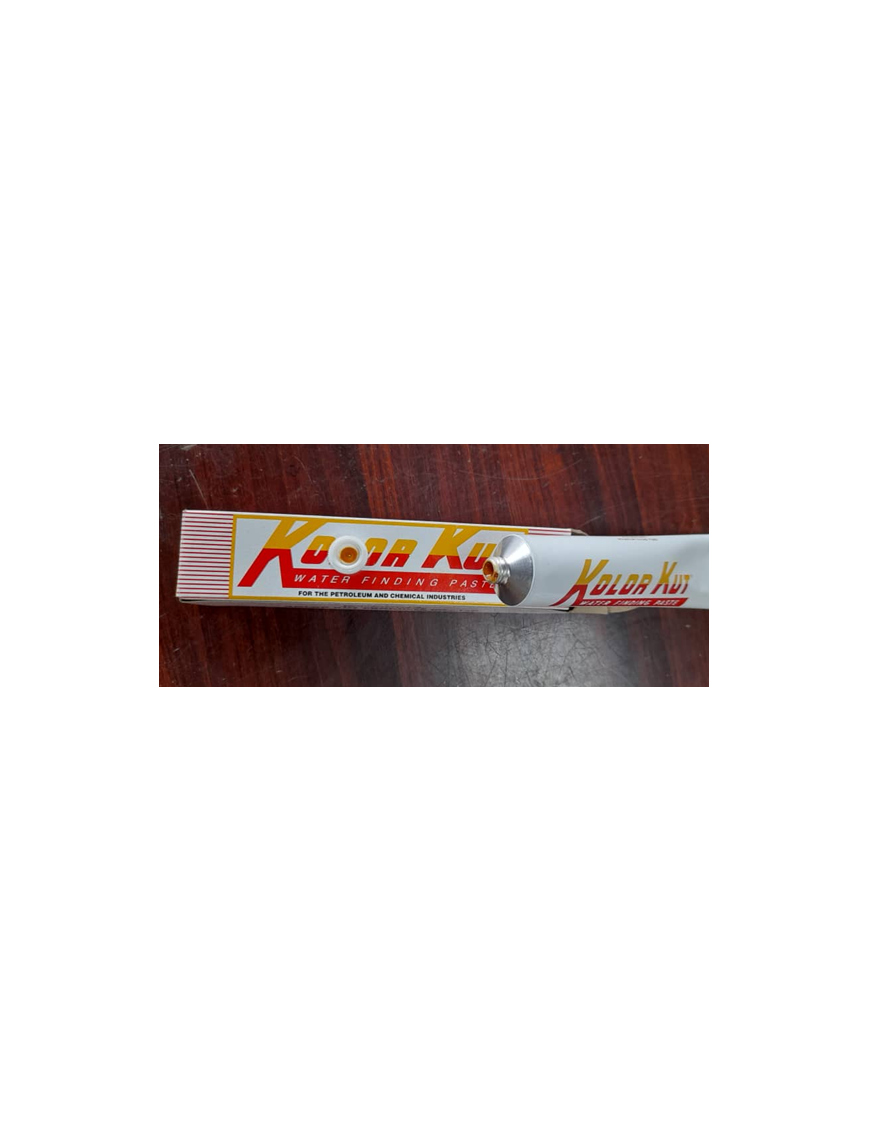


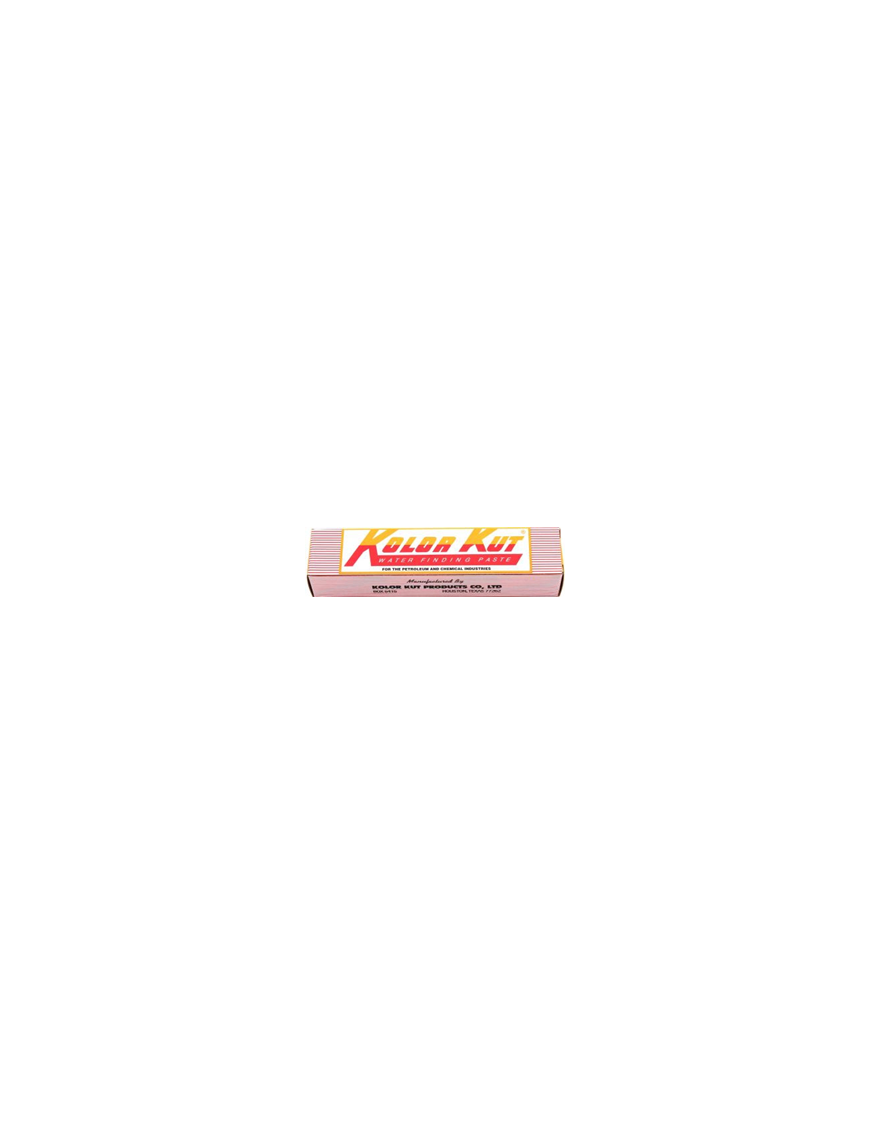


Kolor Kut water finding paste is used in the petroleum industry to accurately gauge fuel levels and detect water in storage tanks by changing color upon contact with water or fuel, helping operators identify levels in gasoline, diesel, and other hydrocarbons.

(edit with the Customer Reassurance module)

(edit with the Customer Reassurance module)

(edit with the Customer Reassurance module)
GENUINE Kolor Kut Water Finding Paste, Made in U.S.A.
Colour Change: From YELLOW To RED
For testing for the presence of water at the bottom of fuel storage tanks
Suitable only for use with Petrol, Diesel, Kerosene, Gas Oil, Heating Oil, Heavy Oil, and Lubricating Oil
Kolor Kut Colour Change Shown Below
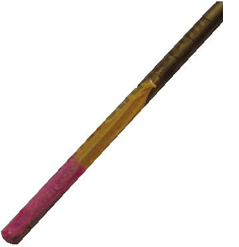
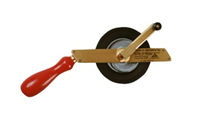
Kolor Kut Products are generally applied using a Dipping Tape;
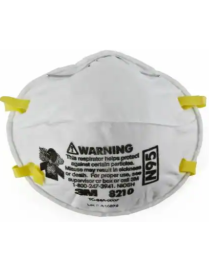
3M? 8000 Cup Series Particulate Respirators are lightweight, disposable respirators designed to provide convenient, reliable respiratory protection in situations where particulate respiratory protection is warranted and can provide protection from certain non-oil based particles.
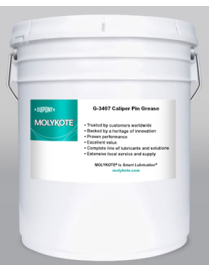
Polyalkylene glycol (PAG)-based grease designed to be used as a lubricant for metal/metal applications in automotive brake caliper guide pins.
?
Product Sizes
18 kg pail
?
Synthetic Grease with anti-wear and anti-fretting performance.
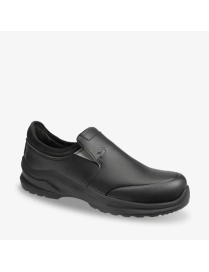
Designed for professionals in food, healthcare, and painting, the MODULO PURE slip-on safety shoe features an easy-to-clean, stain-resistant Lorica upper and a non-marking Tiger Grip rubber outsole that offers an extreme level of grip and traction. The rotation circle on the forefoot allows smooth pivots while maintaining grip. Completely metal free and vegan, this shoe combines safety, comfort, and hygiene in one sleek design.
Absorbs fluid turning it into a gel within minutes. Safely absorbs body fluid spillages such as blood vomit and urine. Essential for effective cleaning of body fluid spills. Non-deodorising.
AT8070 is a breath alcohol tester implemented in fuel cell technology, featuring superb sensitivity and repeatability, low voltage remind, colorful LCD display, simply to operate, compact design and medium size which is conveniently to carry, audible and visible alarm indication when test result is beyond the preset threshold.
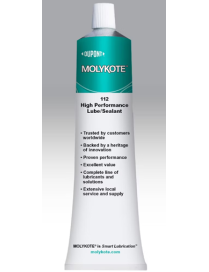
Greaselike compound, is a stiff, nonmelting silicone material used primarily as a valve Lubricant and sealer. It will not carbonize at serviceability temperatures; has a very low vapor pressure; and will resist melting or hardening during long exposure to elevated temperatures. It is insoluble in water, methanol, ethanol, glycol, and glycerine; resistant to most aqueous solutions of inorganic salts, dilute acids, and alkalis; and unaffected by most vegetable and mineral oils, many organic compounds, and most common gases.?
Product Sizes
NLGI Grade 3, translucent white, used primarily as a general-purpose valve lubricant with high mechanical shear stability and high temperature range.
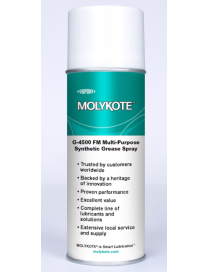
White, food grade synthetic grease spray
?
Product Sizes
400 ml can - 12 per carton
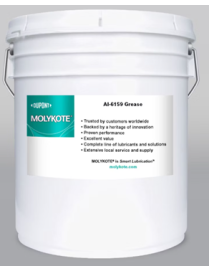
Aluminum complex thickened, uses white solids and PTFE as solid lubricants. Also H1 certified through NSF for incidental food contact.
Synthetic grease for lubrication and noise reduction of plastic automotive parts
?
Product Sizes
16 kg pail
The RX-8000 sets the new industry standard for rugged, reliable portable gas detection. It?s tough, water proof design utilized features based on years of gas detection design experience, to assure that the instrument will operate properly to protect workers and property in all kinds of harsh gas detection applications.
Using the latest data, including accident and research statistics used in F1 racing car design, Industrial and Medical Professionals have produced a new standard to meet the medical needs of road traffic victims during the critical period prior to the arrival of the Emergency Services. Components have been specifically selected for ease of use, and for coping with (without any special training) both minor and major road traffic accident injuries.
To account for various types of vehicle and passenger carrying capability, the BS8599-2 kit is available in three sizes. Whether a Motorcycle, Bus, Van, or Double Decker Bus, there is a suitable kit. The size and the quantity of kits for any vehicle is determined by the vehicle type and passenger numbers.
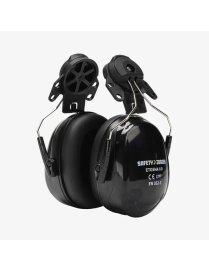
The ETOSHA II DETACHABLE earmuffs offer effective hearing protection against moderate-level industrial noise that arises from a wide range of workplace applications. Designed to be compatible with the AJUSCO CHINSTRAP helmet, these safety helmet earmuffs ensure a secure and comfortable fit while maintaining effective noise reduction.
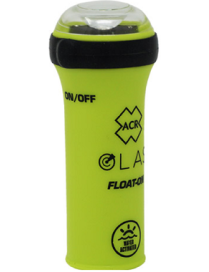
The ACR OLAS Float-On is a buoyant Wearable Crew Tracker that integrates OLAS (Overboard Location Alert System) technology with an LED flashlight and water-activated strobe. The ACR OLAS mobile application technology detects a break in its ?virtual tether? to the ACR OLAS Float-On within 8 seconds of a transmitter going missing. The mobile phone(s) then sounds an alarm and records the latitude and longitude of the incident using the phone or tablet?s GPS.? ACR OLAS then aids the crew with the MOB recovery, clearly directing them to the GPS location where the MOB occurred with clear visual signals and bearing data. ACR OLAS stores all location data and time of incident required by the rescue services.
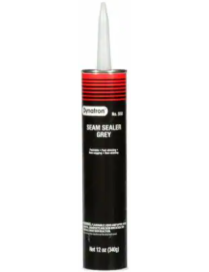
Dynatron? Auto Seam Sealer Caulk is a fast-skinning, permanently elastic, non-sagging formulation that is brushable and paintable. This sealer provides excellent adhesion to bare metal or painted surfaces and is a non-staining, all-purpose autobody joint and seam sealer.
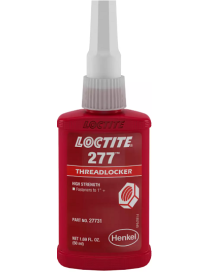
LOCTITE? 277 is a red, high strength, high-viscosity threadlocking adhesive especially suitable for large bolts and studs greater than 25 mm (1"). Fluoresces to allow monitoring. Disassembly with heat possible.
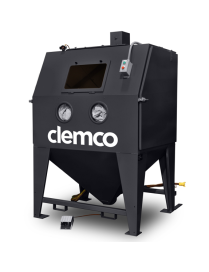
Clemco designs and builds engineered-to-order solutions for specialized parts handling?integrating automation, robotics, and enhanced interfaces to optimize your production process.?
Kolor Kut water finding paste is used in the petroleum industry to accurately gauge fuel levels and detect water in storage tanks by changing color upon contact with water or fuel, helping operators identify levels in gasoline, diesel, and other hydrocarbons.